 EN
EN  PT
PT ES
ES FR
FR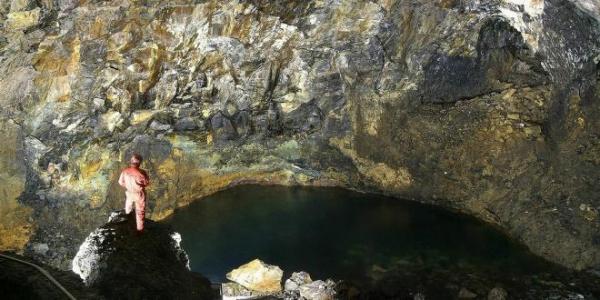
Geoturismo
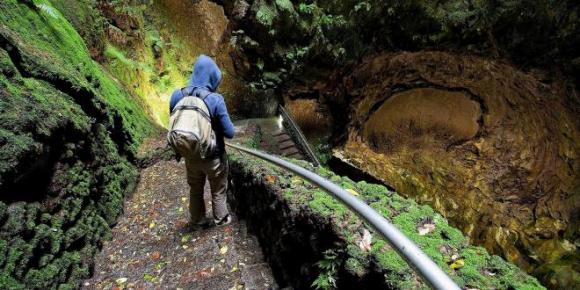
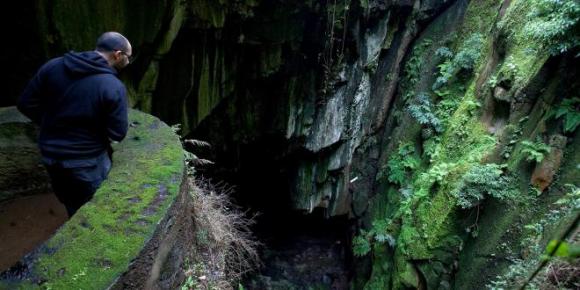
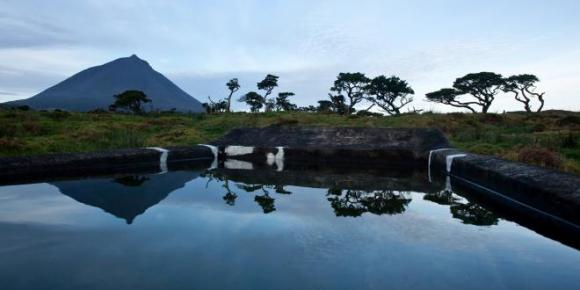
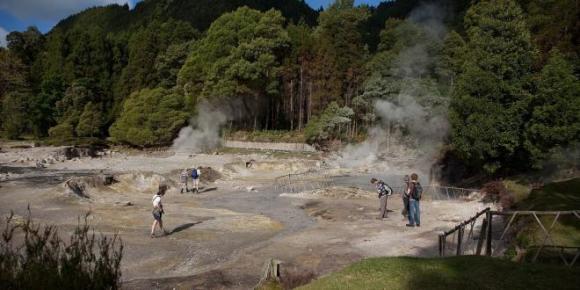
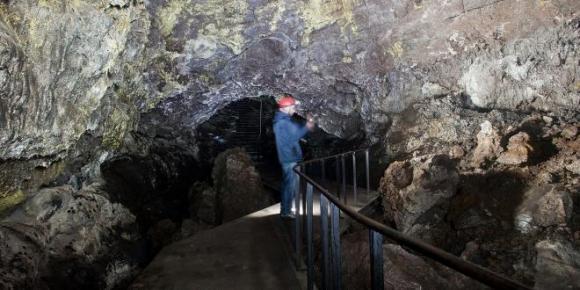
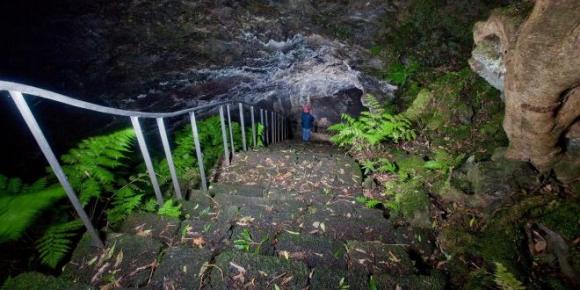
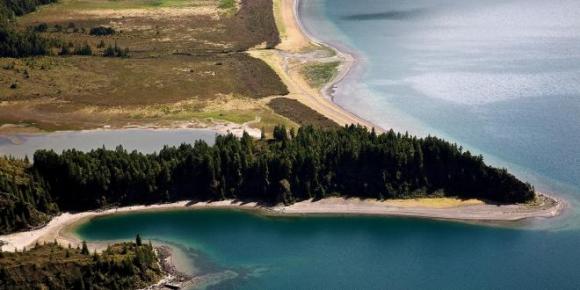
The genesis of the Azores is imprinted on 1766 volcanoes, nine of which are still placidly active. In the subsoil, there are almost three hundred volcanic cavities, in the form of caves, algars and crevices. In the landscape, there are dry boilers, crater ponds, fumarolic fields and thermal springs. In the sea, there are underwater geothermal sources. The majestic mountain of Pico, whose cone is still intact, seems to protect all these geological riches.
.
Ilha de São Miguel
Description
A testament to the power of Nature, the volcanism of the archipelago impresses with its diversity and generates a special magnetism in the visitor.
Interpretation Centers
In addition to the interpretation centers for volcanic cavities open to the public, the archipelago has several science centers that help to understand and value the Azorean geopatrimony. The modern Capelinhos Volcano Interpretation Center, Faial, includes films, holograms and multimedia content. Other enriching stops include the Sea Observatory (Faial), the Environment Observatory, the Os Montanheiros Vulcanospeleological Museum, (Terceira), Casa da Montanha (Pico), Astronomical Observatory, ExpoLAB and the Azores Vulcanological and Geothermal Observatory (São Miguel).
Azores Geopark
The Geopark Açores has been part of the European Network and the Global Network of Geoparks since March 2013, under the sponsorship of UNESCO. This integration aims to promote and protect the geological heritage of the archipelago, while promoting the sustainable development of the Azores at an environmental, cultural and socioeconomic level, strongly grounded in Geotourism. The enhancement of geodiversity, the richness of its natural heritage and the scientific, touristic and educational value of the Azores geosites are essential pillars of this initiative.
Source: https://www.visitazores.com/