EN
EN  PT
PT ES
ES FR
FR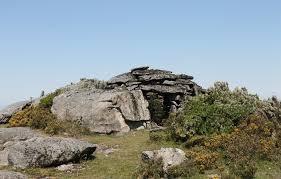
Fojos da Cabreira - Armadilhas de caça
The monumental ensemble called Fojos da Cabreira is located on the slope line formed by Cortegacinhas, Alto do Seixo, Pau da Bela and Trovão, located at the beginning of the southern slope of this slope. Its implantation area covers the parishes of Anjos, Ruivães, Rossas, Campos and Vilarchão.
Freguesias de Anjos, Ruivães, Rossas, Campos e Vilarchão.
Vieira do Minho
Description
The set is made up of three independent constructions, having, however, similar morphological characteristics. Each one is formed by two walls that converge to a well, configuring a V-shaped plan. The chronological goal proposed for the fojos includes the time span between the end of the 17th century - Fojo do Ribeiro do Fojo and Fojo da Ribeira das Figueiras Bravas - and the second decade of the 20th century - Fojo Novo.
A fourth fojo - Fojo da Alagôa - was recently located and identified in the Serradela area. This fojo was referred to in the bibliography as being destroyed.
Fojos da Cabreira are defensive hunting traps, in this case for the capture of the wolf. The hit to the wolves was made from the base of the Northwest slope of the Maciço da Cabreira, towards the fojos. The descent of the slope implied entering the fojo, towards the well where, once imprisoned, they were slaughtered.
BIBLIOGRAPHY
FONTES, Luís Fernando de Oliveira. Inventory of Archaeological Sites and Findings of the Alta da Serra da Cabreira Strand, Archeology Unit of the University of Minho, Braga 1998.
VIEIRA, José Carlos. Vieira do Minho - Historical and Descriptive News, Facsimile edition of the 1925 edition, Braga 2000.
Source: https://cm-vminho.pt/
Location Map
Freguesias de Anjos, Ruivães, Rossas, Campos e Vilarchão. Vieira do Minho
Comments
There are no comments!
Partners same locality