EN
EN  PT
PT ES
ES FR
FR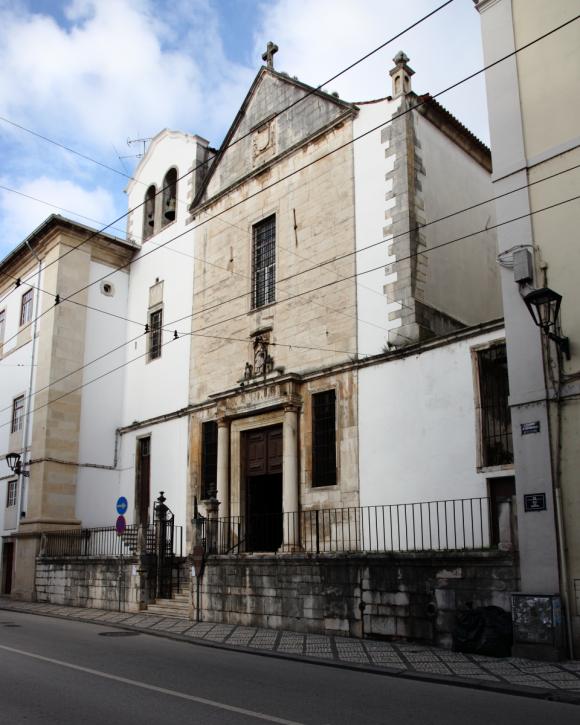
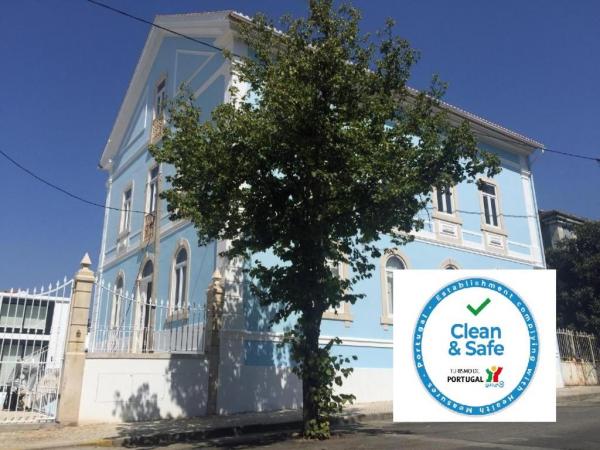
Colégio de Nossa Senhora da Graça
With the help of D. João III, and under the direction of the Spanish Frei Luís de Montoya, the College began to function in 1543 for the Hermits Calçados de Santo Agostinho, better known as “Gracianos”, having been incorporated into the University by royal letter. from 1549. He was responsible for the formation of very different collegiate students who followed the theological and philosophical current of Saint Augustine, some of whom would become rectors of the University.
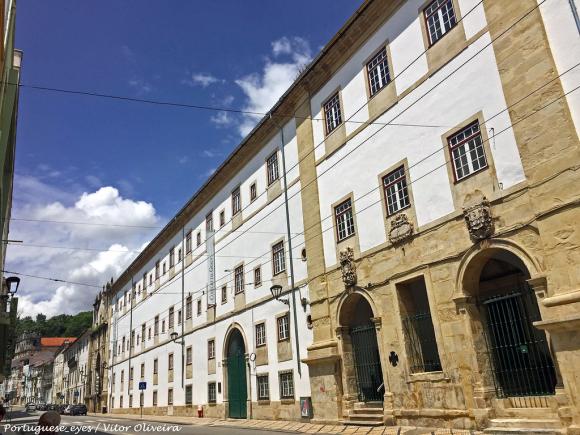
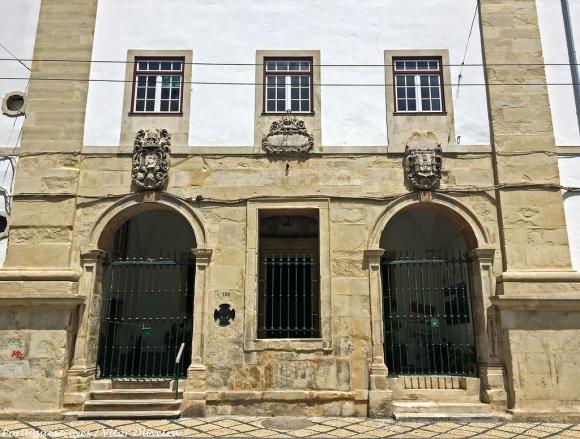
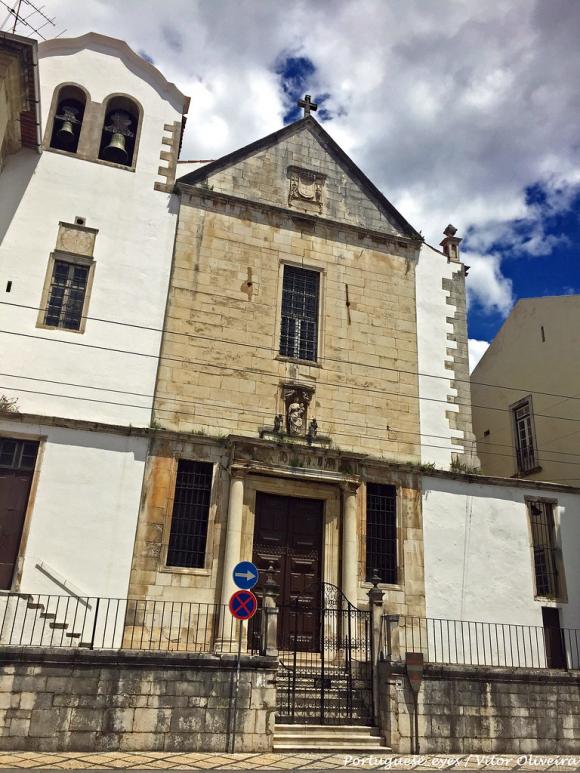
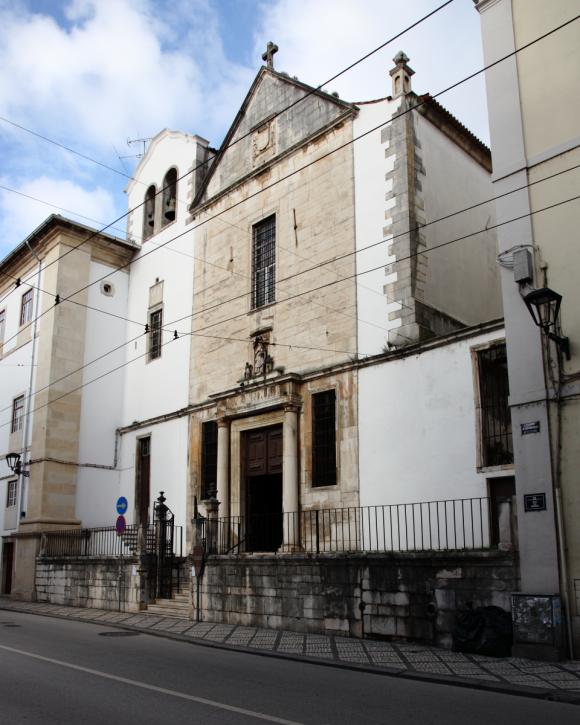
Rua Sofia 163, 3000-229
Coimbra
Description
The building complex was designed by the architect Diogo de Castilho and the church was one of the first Portuguese buildings in the Renaissance style in Portugal.
After the extinction of Religious Orders and the nationalization of their homes and goods, the Church was handed over to the Brotherhood of Senhor dos Passos and the collegiate part is currently occupied by the League of Combatants of the Great War, the CES and the Documentation Center April 25.
Established, in 1540, by the bishop of Miranda, D. Rodrigo de Carvalho, for twelve poor mirandese clerics to study theology or canons at the University of Coimbra. The building was built between 1543 and 1548 and was originally composed of a church, a cloister and a bedroom. In 1574, El-Rei D. Sebastião granted these religious the building next to Alcáçova Real (south of what is now the Porta Férrea), and the Colégio de São Pedro started to use two buildings, one in Baixa, the other in Alta . The downtown building was under the purview of the Regular Third Order of San Francisco (Franciscan friars Calçados or friars Terceiros, aka “Borras”) and the Alta building was intended for doctors and graduates with a view to teaching. From 1834, it was integrated into the University's heritage and, since the last century, after having undergone major changes, it was adapted to the rectory and administrative services.
Source: https://www.cm-coimbra.pt/
Comments
There are no comments!
Partners same locality