EN
EN  PT
PT ES
ES FR
FR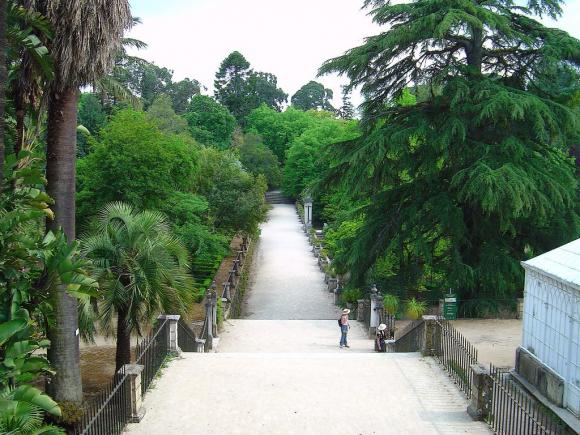
Jardim Botânico
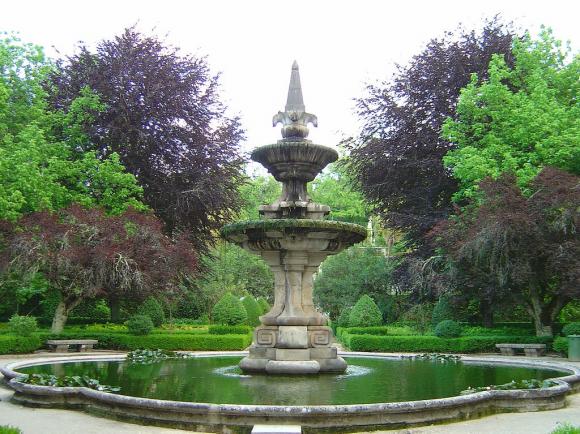
The Botanical Garden extends over 13.5 hectares in land donated by the Benedictine friars. The garden was created with the aim of complementing the study of Natural History and Medicine at the University of Coimbra. Marquês de Pombal, great driver of its construction, in 1773, delivered the project to the Italians Domingos Vandelli and Dalla Bella, being Rector D. Francisco de Lemos Coutinho. From the end of the 18th century onwards, the role played by Portuguese botanists and naturalists Félix Avelar Brotero, Júlio Henriques and Luís Carrisso stands out.
Calçada Martim de Freitas, 3000-456
Coimbra
Description
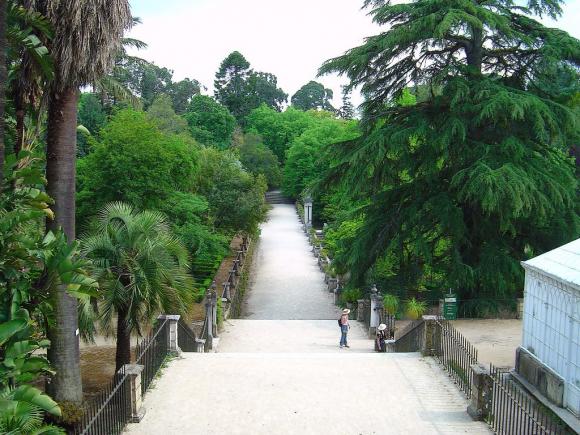
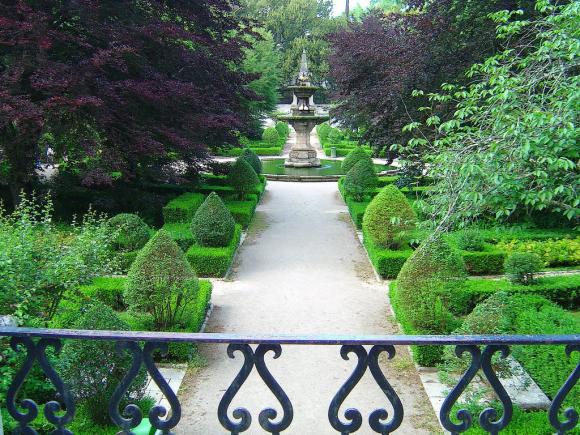
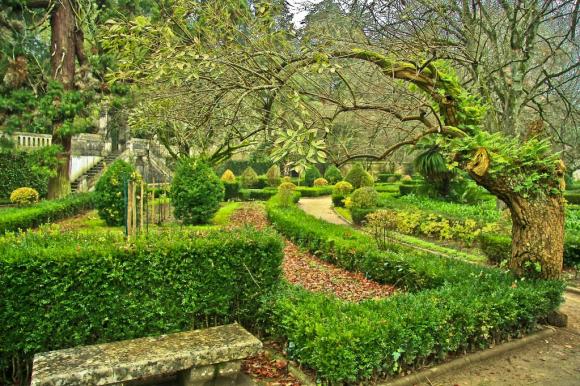
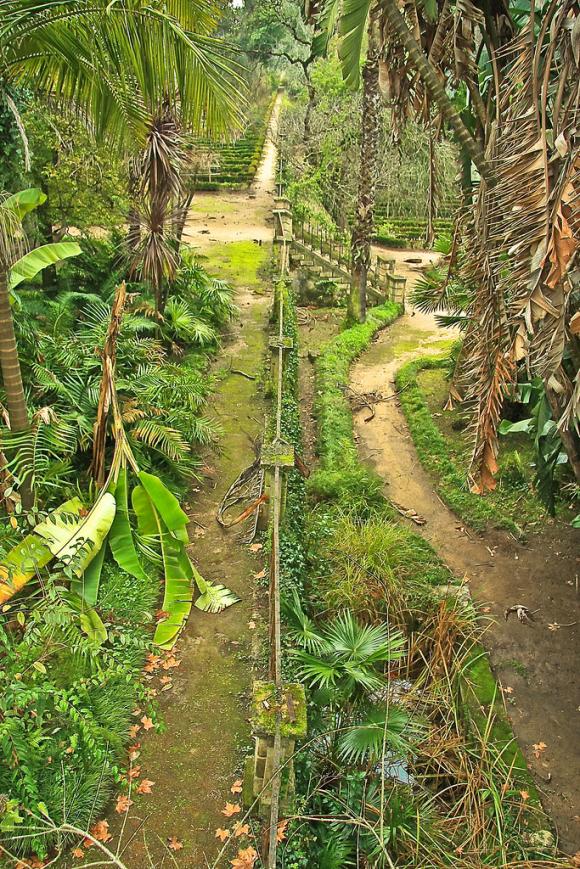
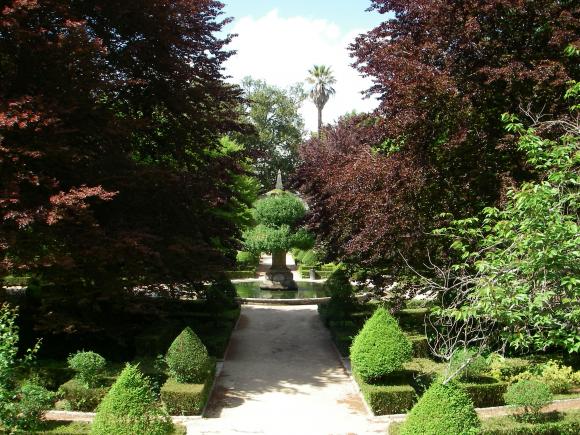
Distributed over several levels, staircases and avenues, it is one of the most renowned botanical gardens in the world, allowing a trip to the four corners of the Earth, due to the diversity of plants it has.
The forest occupies two thirds of the total area of the garden and is essentially composed of exotic trees in free growth and bamboo.
MONUMENT TO AVELAR BROTERO
Marble statue, representing Avelar Brotero seated, in an armchair, and with doctoral robes and insignia. Work by Soares dos Reis, inaugurated on April 4, 1887.
MONUMENT TO JÚLIO HENRIQUES
The statue, by Barata Feyo, portrays, standing up, in a ceremonial pose, with the University's talar garb and respective insignia, the professor and botanist, a major proponent of botanical studies in Portugal.
MONUMENT TO LUÍS CARRISSO
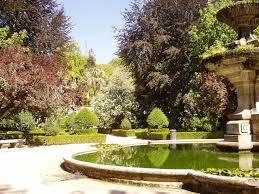
Bas-relief by José Santos depicting Luís Carrisso, with glasses and a very expressive face. The tribute, inaugurated in 1948, is overlooking a small lake with water lilies.
LARGE GREENHOUSE
The Estufa Grande, dating from 1859, is one of the oldest buildings of iron architecture in Portugal, perfect combination of iron and glass giving the space an unusual beauty. Designed by Pezarat in 1856, it was divided into three bodies: two lateral, where the collections of orchids and ferns were, and a central body where subtropical plants were found, including 21 species of carnivorous plants.
Recently, this structure was the target of a requalification project, designed by the architect João Mendes Ribeiro, who sought to preserve the original features adapting the space to the new technologies and needs of scientific research. This requalification was recognized with several prizes, highlighting the National Award for Urban Rehabilitation, in the category of Best Intervention with Social Impact.
COLD GREENHOUSE
Built in the 50's, at the initiative of Prof. Doctor Abílio Fernandes, here we find a flora adapted to humid and gloomy environments, surrounded by a small stream. Inside, a tribute to the Science of Plants can be appreciated: a female nude, by the sculptor Martins Correia, entitled “Botany”.
Source: https://www.cm-coimbra.pt/
Comments
There are no comments!
Partners same locality