EN
EN  PT
PT ES
ES FR
FR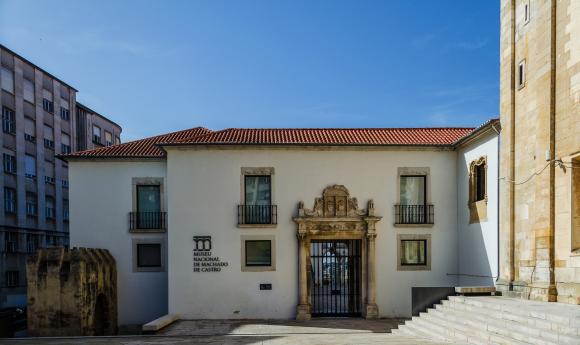
Museu Nacional Machado de Castro
Founded in 1911, the Machado de Castro National Museum, opened to the public in October 1913. Its first director was António Augusto Gonçalves and was elevated to the category of National Museum in 1965.
Largo Dr. José Rodrigues 3000-236
Coimbra
Description
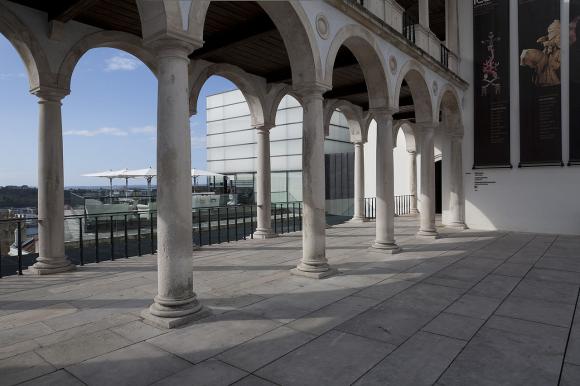
The museum occupies the old building of the Paço Episcopal, built on the cryptopórtico of the forum of Æminium which constitutes the most significant Roman work, dating from the 1st century, in national territory. It is a two-story gallery that supported the forum and was also used to conserve food, since it was kept fresh and protected from light. The experience of traveling through underground passages is unforgettable.
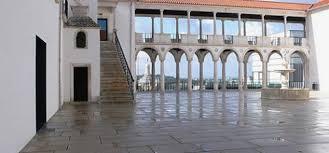
Between the 12th and 18th centuries, several buildings were erected and remodeled for episcopal residence. Of the countless restructurings, the vestiges of the Romanesque cloister of the Condal period (c. 1100-1140) belonging to the collegiate church of São João de Almedina, its classic and harmonious Loggia of the end of the century. XVI and, finally, the renovated Church of São João de Almedina from the end of the 17th century, beginning of the 18th century. An interesting detail of the Episcopal Palace is a Mozarabic door, today integrated into the museum building, built after the city was finally reconquered by Muslims.
In this century, the museum was the target of a bold project of requalification and expansion of spaces, by the architect Gonçalo Byrne.
The name of the museum pays homage to one of the greatest figures in national sculpture, Joaquim Machado de Castro (1731-1822), who was born on the outskirts of Coimbra and was a royal sculptor.
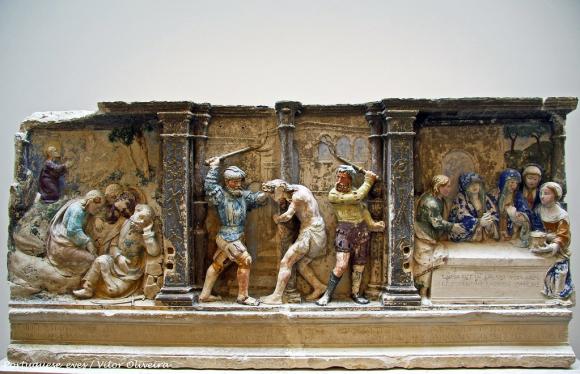
The Machado de Castro National Museum is one of the most important museums of fine arts and archeology in the country, which presents important collections of painting, sculpture and decorative arts, covering a history of more than two thousand years.
Source: https://www.cm-coimbra.pt/
Comments
There are no comments!
Partners same locality