EN
EN  PT
PT ES
ES FR
FR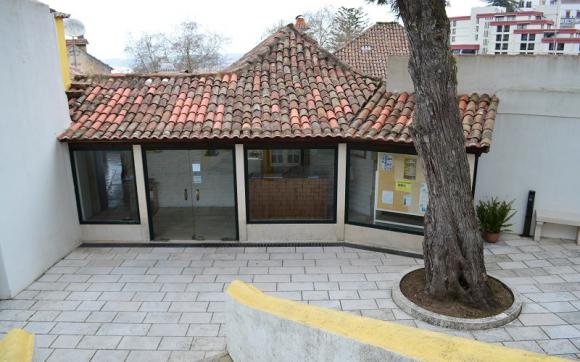
Museu Ferreira de Castro
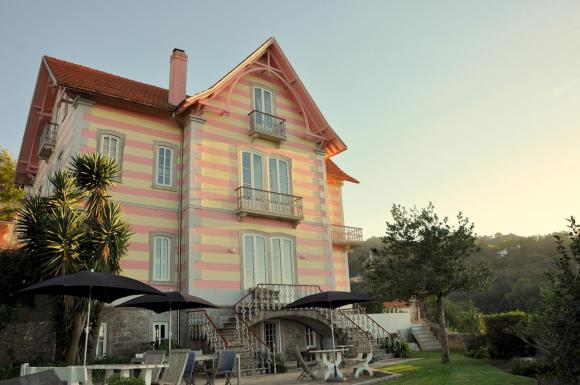
As the writer Ferreira de Castro expressed the wish that his remains would remain in Sintra - as it happened - he willingly accepted the suggestion of two notable writers, one from Sintra and the other from Lisbon, in the sense that this donation should be made . This is Francisco Costa, then director of the Municipal Library, and Alexandre Cabral, who had in Camiliana de Sintra an appreciable bibliographic and documentary collection for the development of his research.
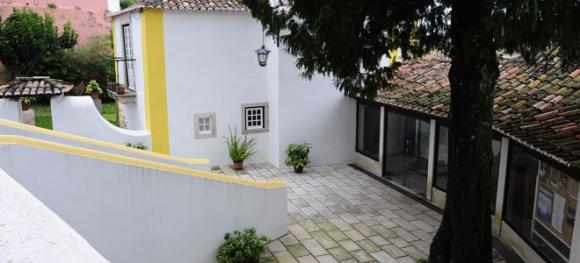
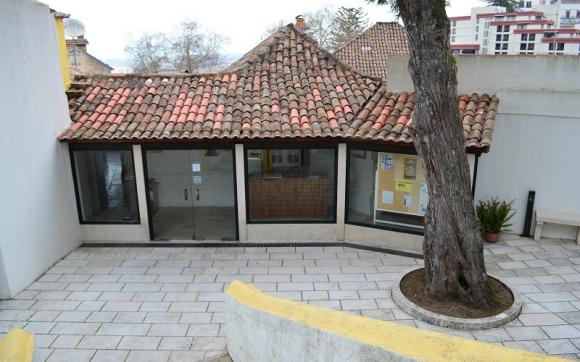
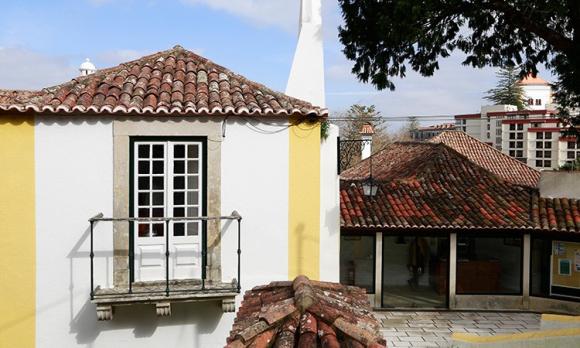
Rua Consigleri Pedroso, nº 34 Vila Velha S. Martinho 2710 - 550 Sintra
Sintra
Description
The first mentor of this idea, however, was the then mayor, António José Pereira Forjaz, who, in a letter dated April 10, 1973, addressed to the novelist, excitedly expressed his joy after checking the donation's compliance with the legal provisions.
The museum opened its doors on June 6, 1982. Closed for works three years later, it would reopen on July 22, 1992, after remodeling the exhibition contents and elaborating a new guide for the visitor.
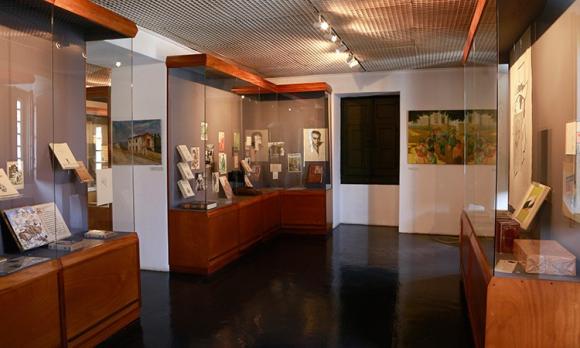
The Ferreira de Castro Museum chronologically presents the writer's experiential journey, grouped into thematic groups:
"Childhood" (1898-1911), refers to the writer's childhood, in the "native village" of Salgueiros, parish of Ossela, municipality of Oliveira de Azeméis, a period of intimate contact with the verdant nature of the region, which would mark so much it.
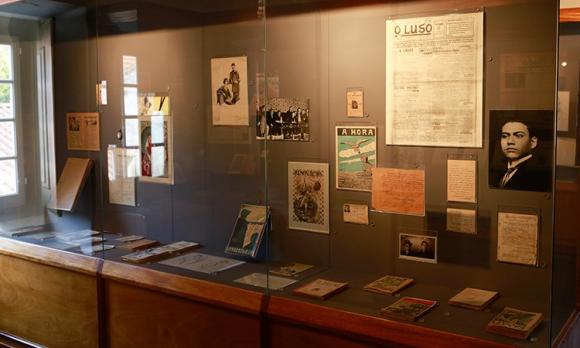
"In Brazil - From the Amazon jungle to Belém do Pará" (1911-1919), he relates the time when Ferreira de Castro lived, as a child and alone, in a rubber plantation in the Amazon (until 1914) and the dramatic and rocky experience in Belém. Of the many objects of interest on display, we highlight the manuscript of Criminoso por Ambição, masks of the Parintintins Indians (tribe now extinct), land of the rubber plantation where Castro worked, and specimens of Criminoso por Ambição and Alma Lusitana, both from 1916, the first titles you've published.
"O Regresso - Journalism and renegade work" (1919-1927), shows part of the journalistic activity and displays the books that correspond to Ferreira de Castro's first phase - from Mas ... (1921) to O Voo nas Trevas (1927) -, which he removed from his complete works and which today are bibliographic rarities.
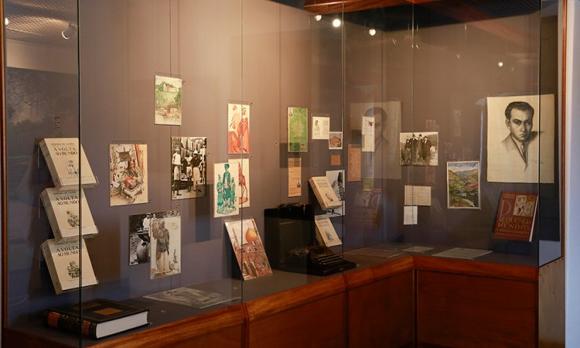
"Triunfo - From Emigrants to the direction of O Diabo" (1928-1935); "The Last Vagamundo" (trips, 1929-1939); "O Mestre - From A Tempestade to Os Fragmentos" (1940-1974) contemplate the time when Ferreira de Castro pontificated as a prominent author of Portugal at that time. It is the period of The Jungle, Cold Land, Wool and Snow, The Curve of the Road, The Mission ...
The most translated Portuguese writer of his time, in the last room there are translations of his works in different languages.
As a whole, the visitor will make contact with rare editions, manuscripts, personal objects, original illustrations for his books and other specimens related to the novelist's life and writing. The Museum also presents original canvases and drawings by Arlindo Vicente, Bernardo Marques, Cândido Portinari, Elena Muriel, Jorge Barradas, José Rodrigues, Júlio Pomar, Roberto Nobre and Stuart Carvalhais, among others.
Schedule
From Tuesday to Friday: 10 am - 6 pm
Saturday and Sunday: 12h00 - 18h00
Admission of visitors until 1h before closing
Closed on Mondays and holidays.
Free entrance
Features and Services
Guided tours
Sanitary facilities
Entertainment activities: Guided visits to school groups by appointment; annual conference cycle schedule.
Access Description
Bus stop and taxi rank 50 meters away
Source: https://visitsintra.travel/pt/visitar/museus/museu-ferreira-de-castro
Location Map
Rua Consigleri Pedroso, nº 34 Vila Velha S. Martinho 2710 - 550 Sintra Sintra
Comments
There are no comments!
Partners same locality