EN
EN  PT
PT ES
ES FR
FR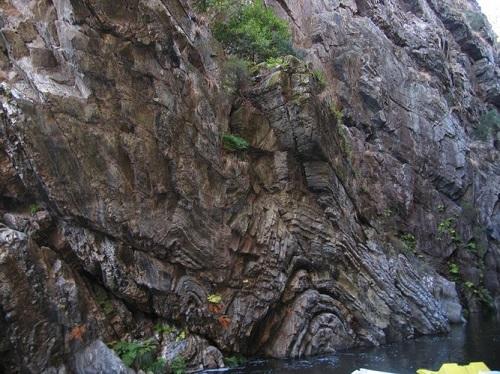
Rochas Paleozoicas e as Serras
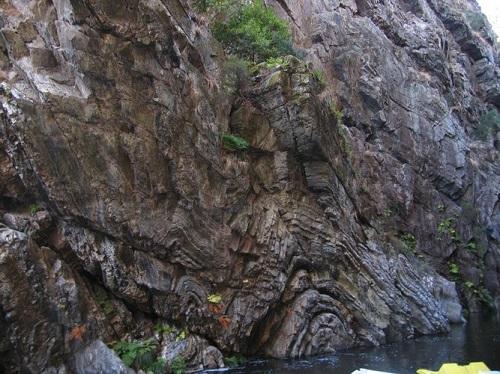
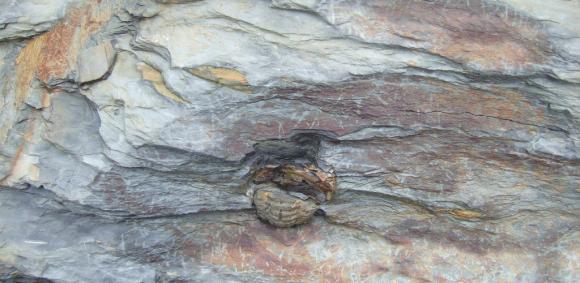
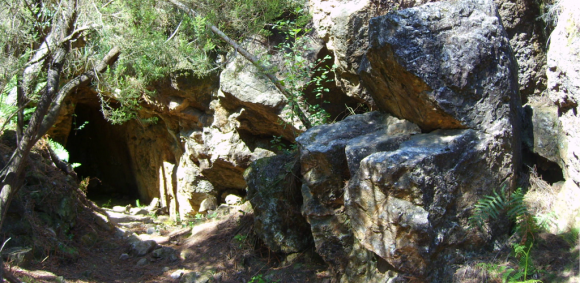
Rocks are the book that tells us the history of the Earth and in this region they manage to tell us several secrets. This region is inserted in a geological structure about 90 km long, with rocks and fossil records dating from the Paleozoic and still with gold mineralizations explored by the Romans - “Anticline of Valongo”.
.
Paredes
Description
The geological formations that occur here, with the exception of some river terraces and river alluvies, are from the Paleozoic Era or even older, witnessing an interval of about 120 million years of the planet's geological history, with ages varying from Pre- Cambrian or Cambrian to Siluric.
It is through these rocks that we learn that this region was covered by the sea, where the sediments that gave rise to the quartzites, identified in the landscape by the magnificence of the mountains, and the ardoriferous shales, also known as slates, were deposited. We discovered the presence of underwater volcanic activity, associated with the presence of gold and which was already close to the South Pole in which the climate was particularly cold and significantly affected the existing biodiversity causing even the mass extinction of most of the living beings.
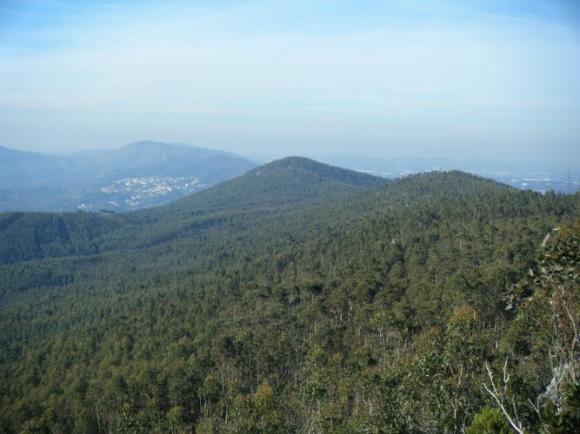
About 350 million years ago, there was a collision between continents that gave rise to a great fold, which currently extends between Esposende and Castro Daire, and which locally corresponds to the mountains that form the crests of the Anticline of Valongo and mark the landscape in the south of Paredes municipality - on the western flank: Serra do Castiçal and Flores; eastern flank: the mountains of Pias, Santa Iria and Banjas. Result of this event are still small folds and fractures that we find on a local scale.
Information:
Paredes Interactive Tourism Store
Email: turismo@cm-paredes.pt
Phone: +351 255 788 952
Archeology and Heritage Office
Email: arqueologia@cm-paredes.pt
Phone: +351 255 788 973 / +351 255 788 974
Source: https://www.cm-paredes.pt/
Comments
There are no comments!
Partners same locality