EN
EN  PT
PT ES
ES FR
FR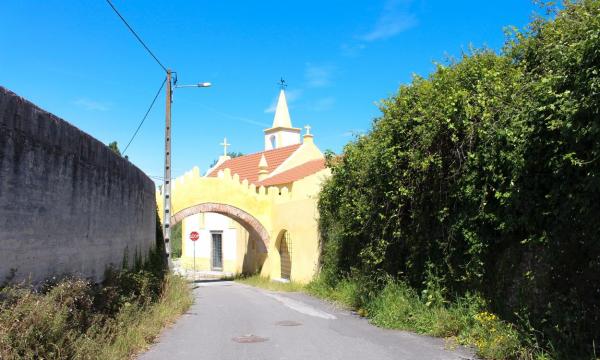
Ermida e Vale de Ílhavo
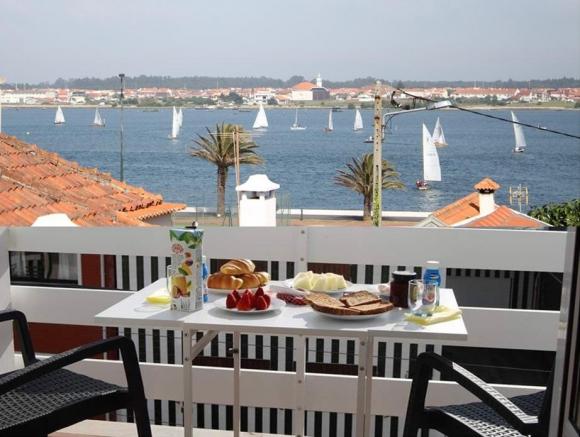
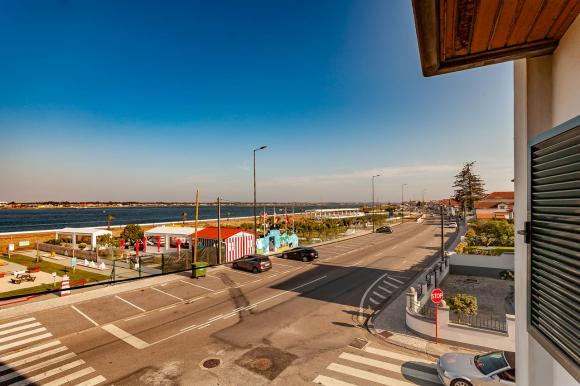
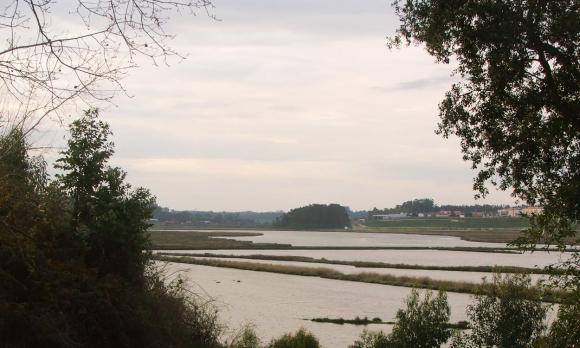
The Ermida and Vale de Ílhavo are two places in the Municipality of Ílhavo with a distinct history but which constitute the southern end of the Municipality, together with the Vale das Maias. They are characterized by their current rurality and scenic beauty, which also comes from their proximity to the Bôco River (Canal da Ria de Aveiro). Source: http://www.visitilhavo.pt
Vale de Ílhavo
Ílhavo
Description
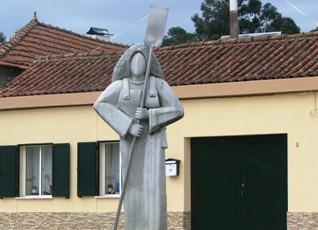
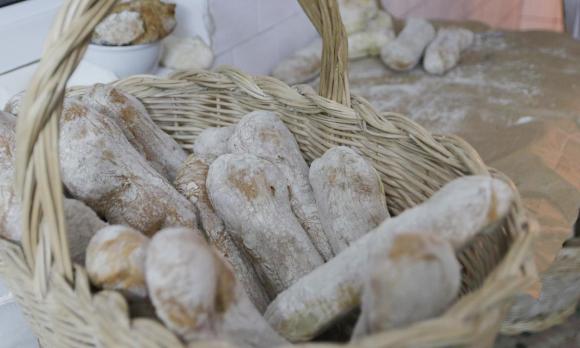
It would be the area of Vale de Ílhavo, during the 17th to 19th centuries, characterized by many levadas and watermills. In such a way that it is not surprising the deep-rooted and famous tradition of bread production - padas and sweet bread (folar), which exists here and which is found in every street and in every alley. Incidentally, the Padeira of Vale de Ílhavo is an emblematic figure of the Municipality of Ílhavo, associated with its cultural identity, and represented in the statue that honors them, at Rua do Cabeço do Nuno with Rua da Felicidade.
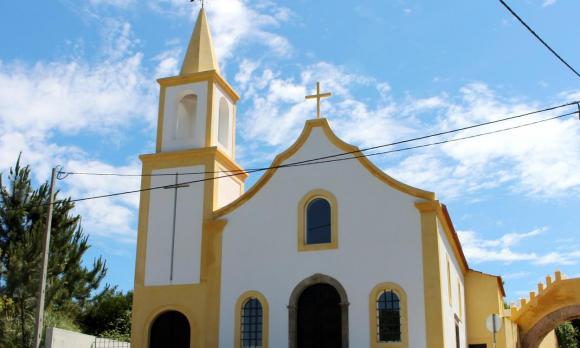
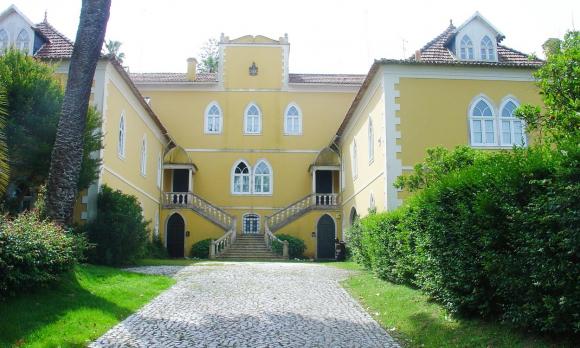
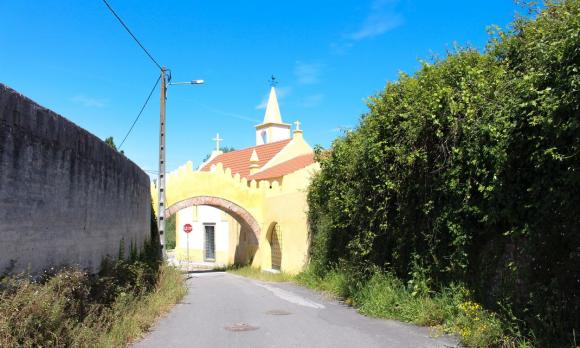
The Hermitage was an old Municipality, meanwhile integrated in the current Municipality of Ílhavo, is linked to the family history of Bishop D. Manuel de Moura Manuel, who would have the Chapel of Nossa Senhora da Penha de France (and where he is buried) and which had a large farm - "term" (palace), known as Quinta da Ermida.
Both settlements are overlooking the Bôco River, considered as the branch of the Ria de Aveiro, and their traditions come mainly from their rurality, in a way countering the accentuated island maritimity. They include several forested areas, constituting privileged birdwatching points, little altered by the human hand, and still in a Special Protection Area of the Ria de Aveiro (Natura 2000 Network).
Source: http://www.visitilhavo.pt
Comments
There are no comments!
Partners same locality