EN
EN  PT
PT ES
ES FR
FR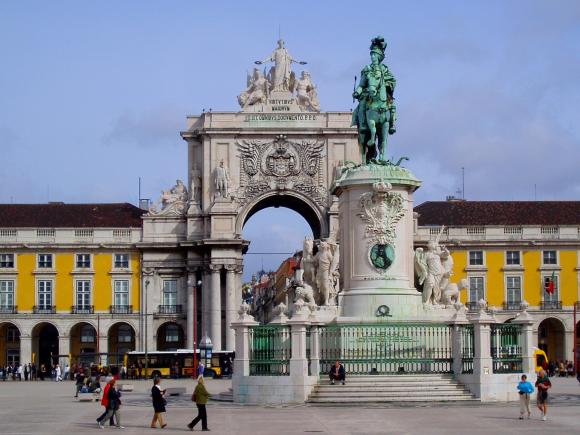
Lisboa Pombalina
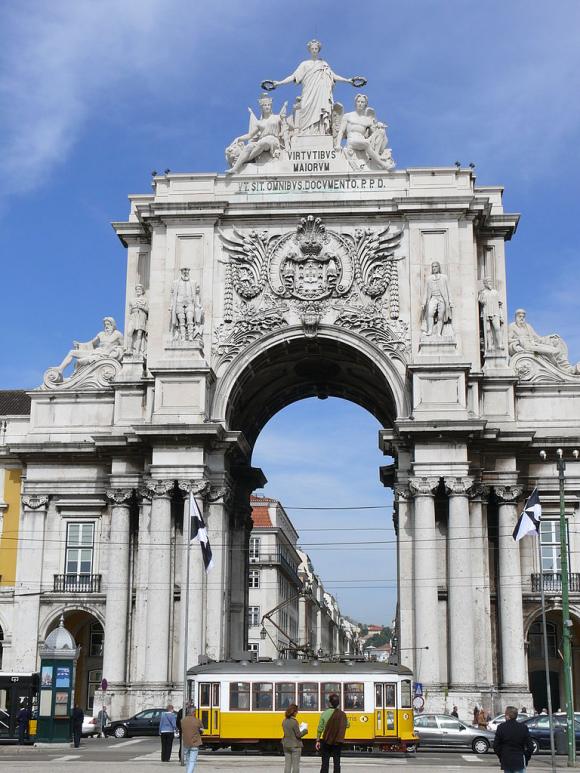
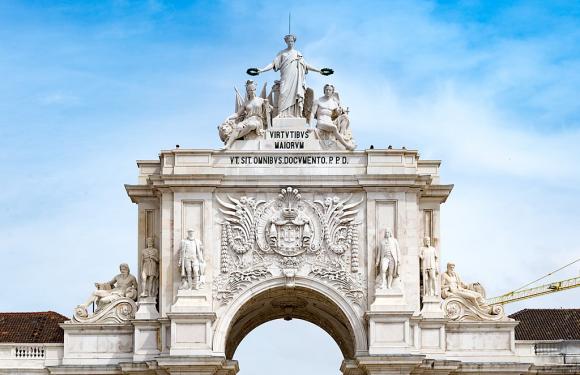
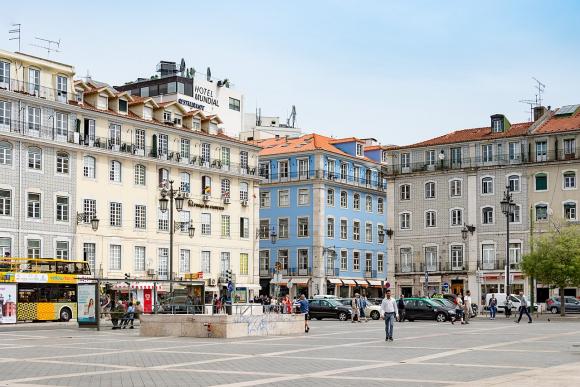
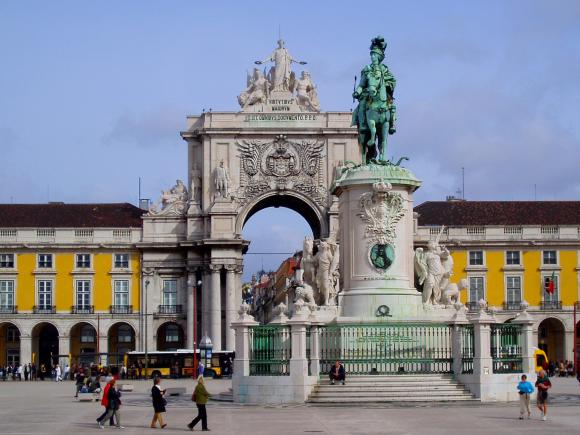
Lisboa Pombalina, classified as a Group of Public Interest, is a reclassification, expansion and renaming of Baixa Pombalina, which was classified as a Property of Public Interest. The area to be considered encompasses the fundamental configuration of the Lisbon Reconstruction Plan, prepared by Eugénio dos Santos in 1756, one year after the earthquake, and approved in 1758, which integrates the low and central area with an orthogonal mesh, the riverside area and the high zone, including Chiado and adjoining areas. The latter are clearly part of Lisbon Pombaline.
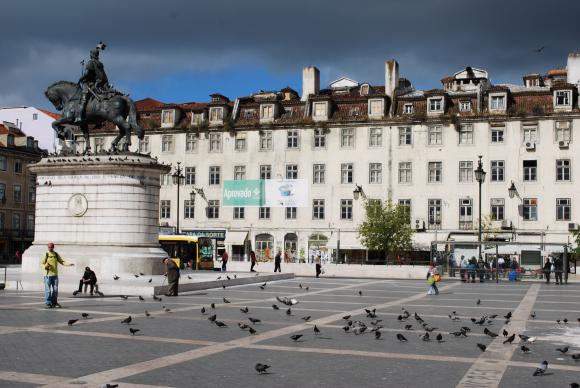
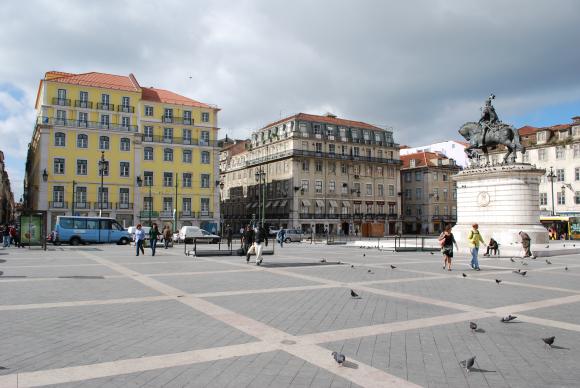
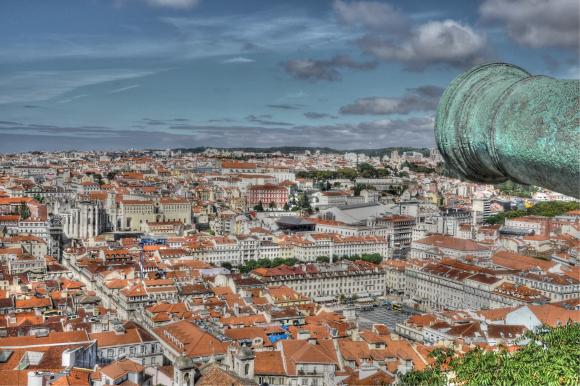
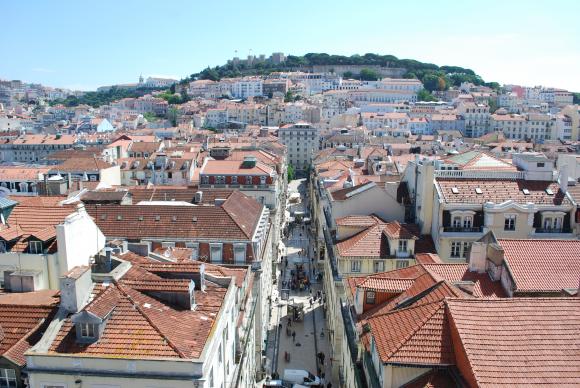
.
Lisboa
Description
The areas surrounding Chagas and Santa Catarina were also added to the West, as well as the East, the area adjacent to Rua de São Mamede. Although not initially contemplated in the Plan, the reorganization of these areas followed the principles of Pombaline urban planning and architecture. In turn, in the North, important Pombaline stocks were integrated in this area to classify, namely the first sections of the old Oriental Street and current Praça dos Restauradores, which initially delimited the Passeio Público, the first public garden in Lisbon, a Pombaline project from 1764, which served as an end to the Reconstruction Plan, extending to Praça da Alegria and transforming itself, in the 19th century. XIX, in the first part of Avenida da Liberdade. In this way, the Lisbon Pombaline group covers the areas of the following parishes: Encarnação, Madalena, Mártires, Sacramento, Santa Catarina, Santa Justa, São José, São Nicolau and São Paulo. For more details about Baixa Pombaline, please see its description.
Source: https://visitar.lisboa.pt/explorar/locais-de-interesse/lisboa-pombalina
Comments
There are no comments!
Partners same locality