EN
EN  PT
PT ES
ES FR
FR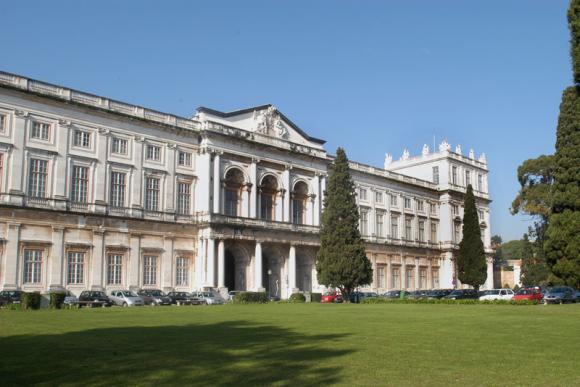
Palácio Nacional da Ajuda
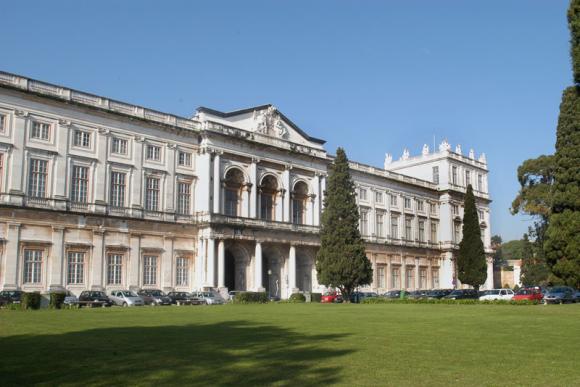
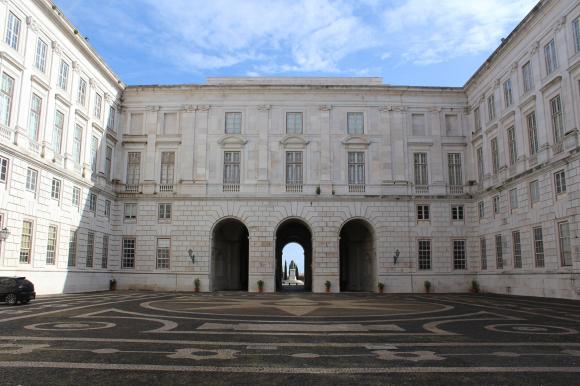
Classified as a National Monument, it was built after the 1755 earthquake to replace the '' Real Barraca '', thus designated for being made of wood.

Largo Ajuda, 1349-021 Lisboa
Lisboa
Description
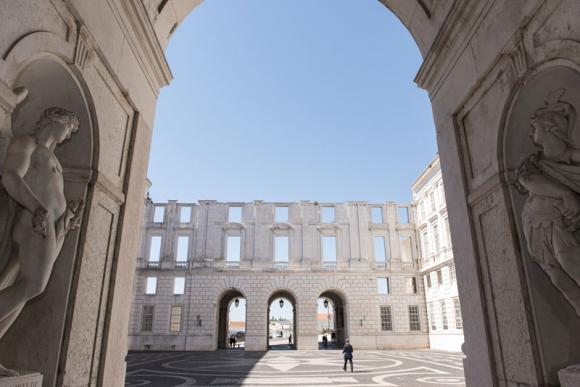
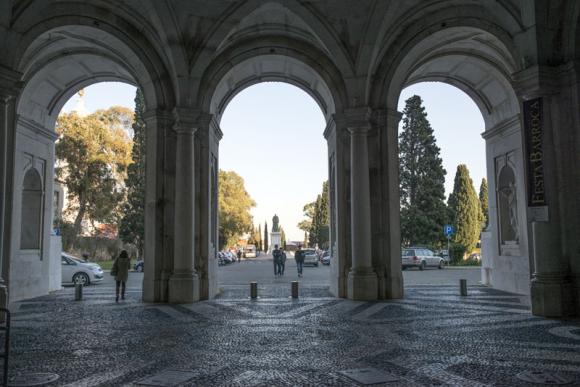
The initial project (1795), by Manuel Caetano de Sousa, underwent a significant change with the new project (1802), of neoclassical inspiration in carved stonework, by the architects. Francisco Xavier Fabri and José da Costa e Silva.
The Palace was inhabited with many interruptions, and even unfinished it functioned as a Royal Palace after D. Luis I (1833-1889), who settled there definitively. In the lobby, the 47 statues signed by Portuguese artists are worth mentioning.
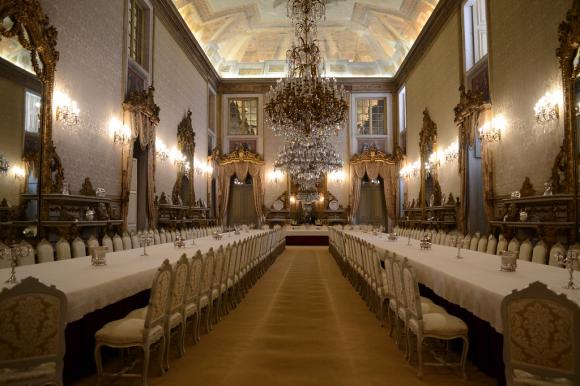
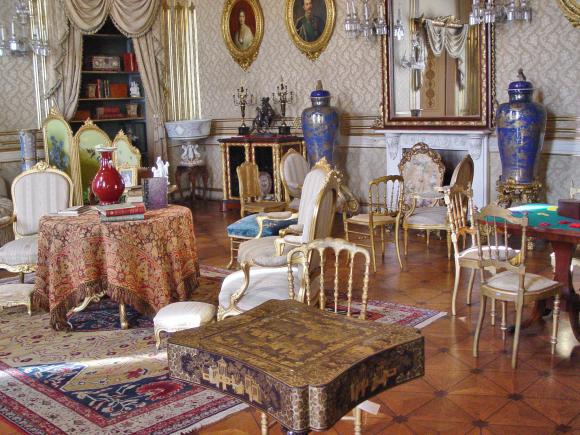
Closed after the implantation of the Republic, the interior of the Palace was musealized, from 1968, offering an important collection of furniture, jewelery, silver and jewelery, with emphasis on the collection of the Portuguese Crown Jewels.
Phone: +351 213 637 095
Email: geral@pnajuda.dgpc.pt
Source: https://visitar.lisboa.pt/explorar/locais-de-interesse/palacio-nacional-da-ajuda
Comments
There are no comments!
Partners same locality